Battery Test Chambers for EV & Energy Storage Testing
Advanced battery test chambers engineered for EUCAR hazard level testing, thermal runaway containment, and global EV compliance standards including IEC 62660, ISO 16750, and UN 38.3.
Battery systems used in electric vehicles and energy storage applications must undergo rigorous testing under extreme environmental and safety conditions.
CME Battery Test Chambers are designed to simulate temperature, altitude, and hazard scenarios to validate battery performance, durability, and safety. Our chambers support EV manufacturers, battery developers, and testing laboratories in meeting international compliance standards while ensuring reliable and safe battery operation.
Designed for Global Battery Testing Standards
CME battery test chambers are engineered to support:
- IEC 62660 – Lithium-ion battery performance testing
- UN 38.3 – Transport safety testing for lithium batteries
- ISO 16750 – Environmental testing for automotive components
- EUCAR Hazard Levels (0–7) – Safety and thermal runaway classification
- Thermal Runaway Testing – Failure containment and propagation analysis
Applications in EV & Energy Storage
CME battery test chambers are used for:
- EV battery validation and durability testing
- Thermal runaway and safety analysis
- Battery transport and altitude testing
- Module and cell-level performance testing
- R&D for next-generation energy storage systems
The rapid growth of EV and battery technologies is driving demand for advanced environmental and safety testing systems globally.
Why Choose CME Battery Test Chambers?
- Designed for EV Testing Requirements – Built for modern battery systems and safety standards
- Thermal Runaway Safety Engineering – Advanced containment and hazard-level testing capability
- Custom Configurations – Adaptable for cell, module, and pack-level testing
- Proven Industry Experience – Trusted by automotive OEMs and energy sector players
- Scalable Solutions – From R&D labs to production-scale testing environments

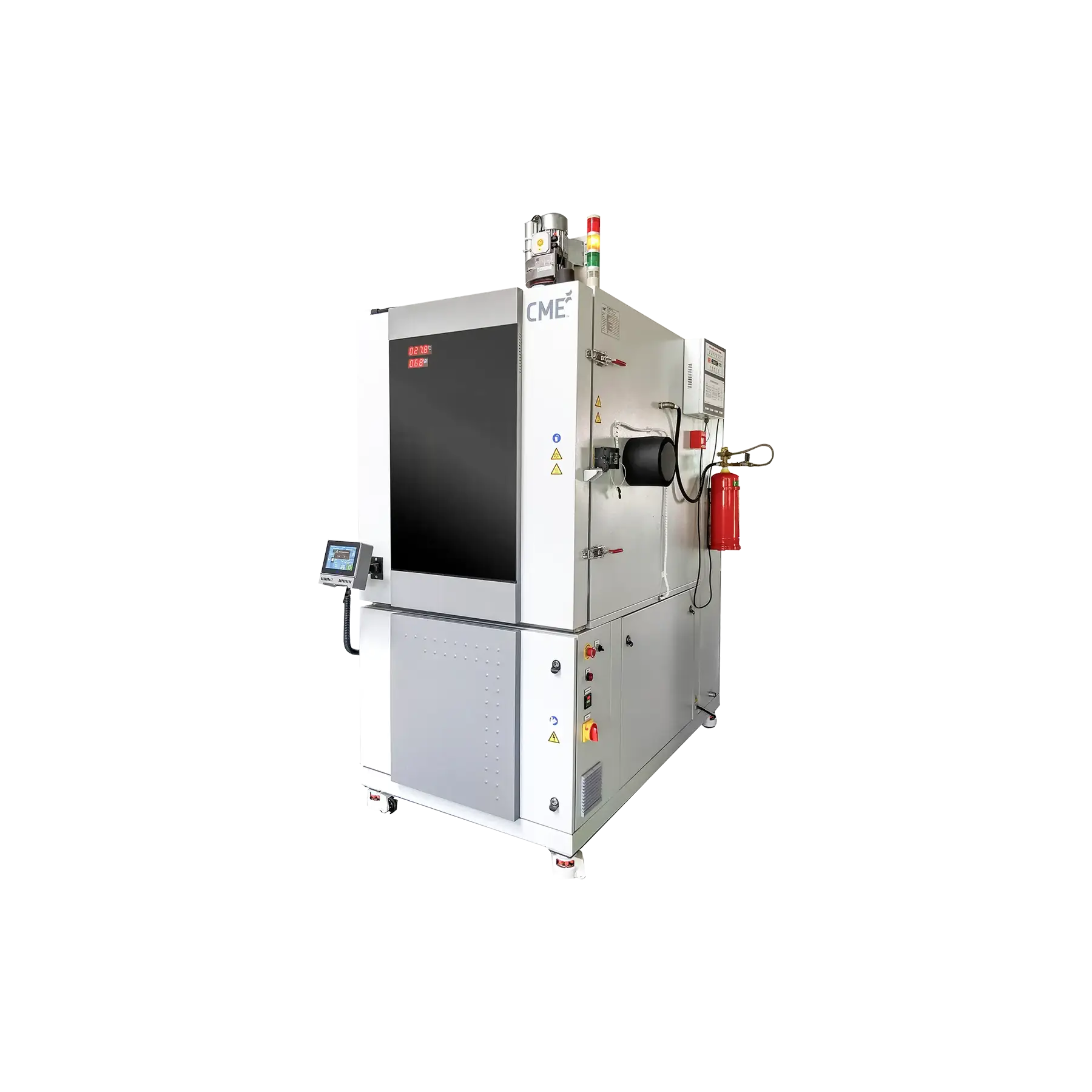
Battery Altitude Test Chambers
Battery Altitude Test Chambers CME Battery altitude chambers combine environmental control (–70°C to +150°C) with programmable pressure profiles to simulate

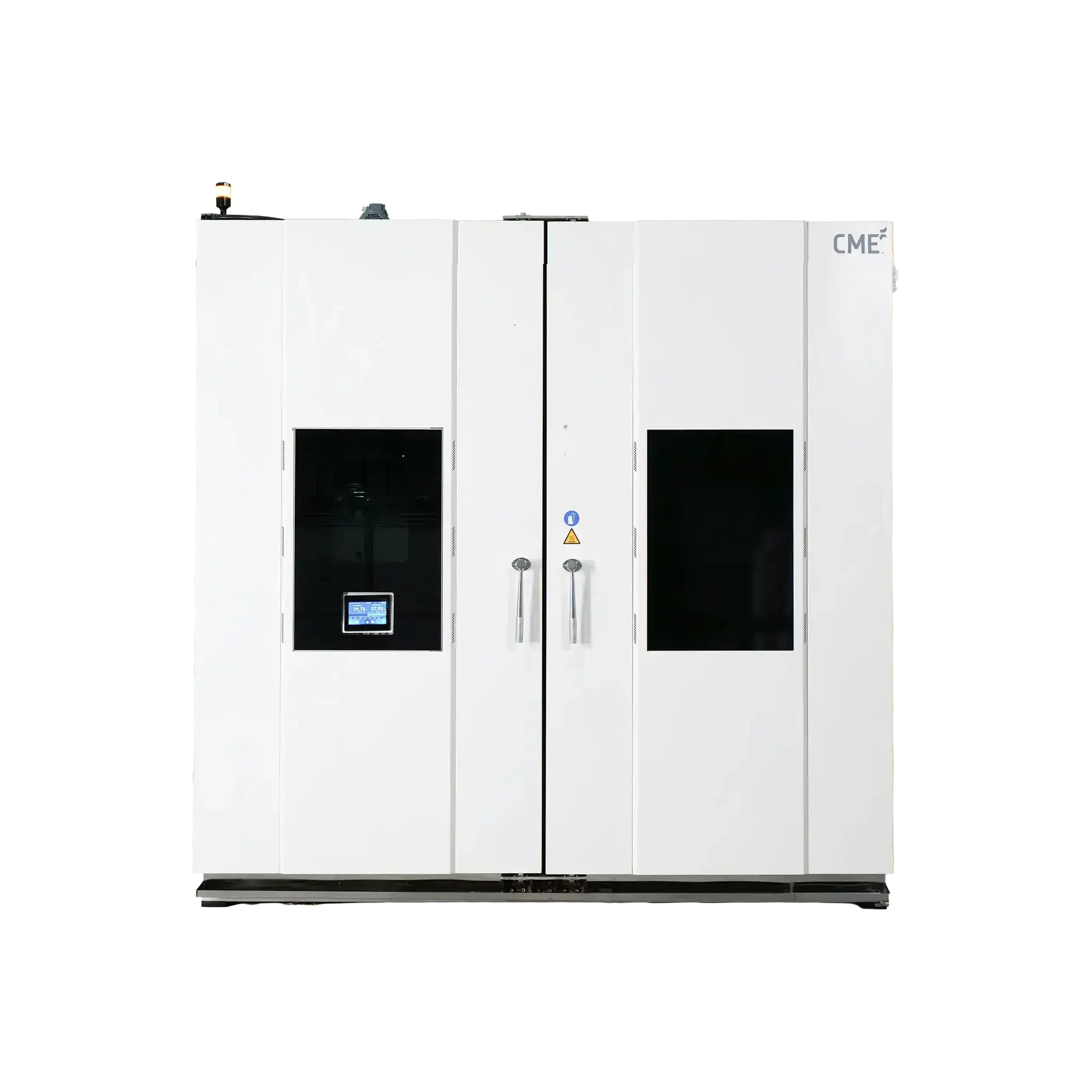
Battery Walk-In Test Chambers
Battery Walk-In Test Chambers CME’s chambers support industry standards including IEC 62660, ISO 16750, UN 38.3, and OEM-specific EV qualification

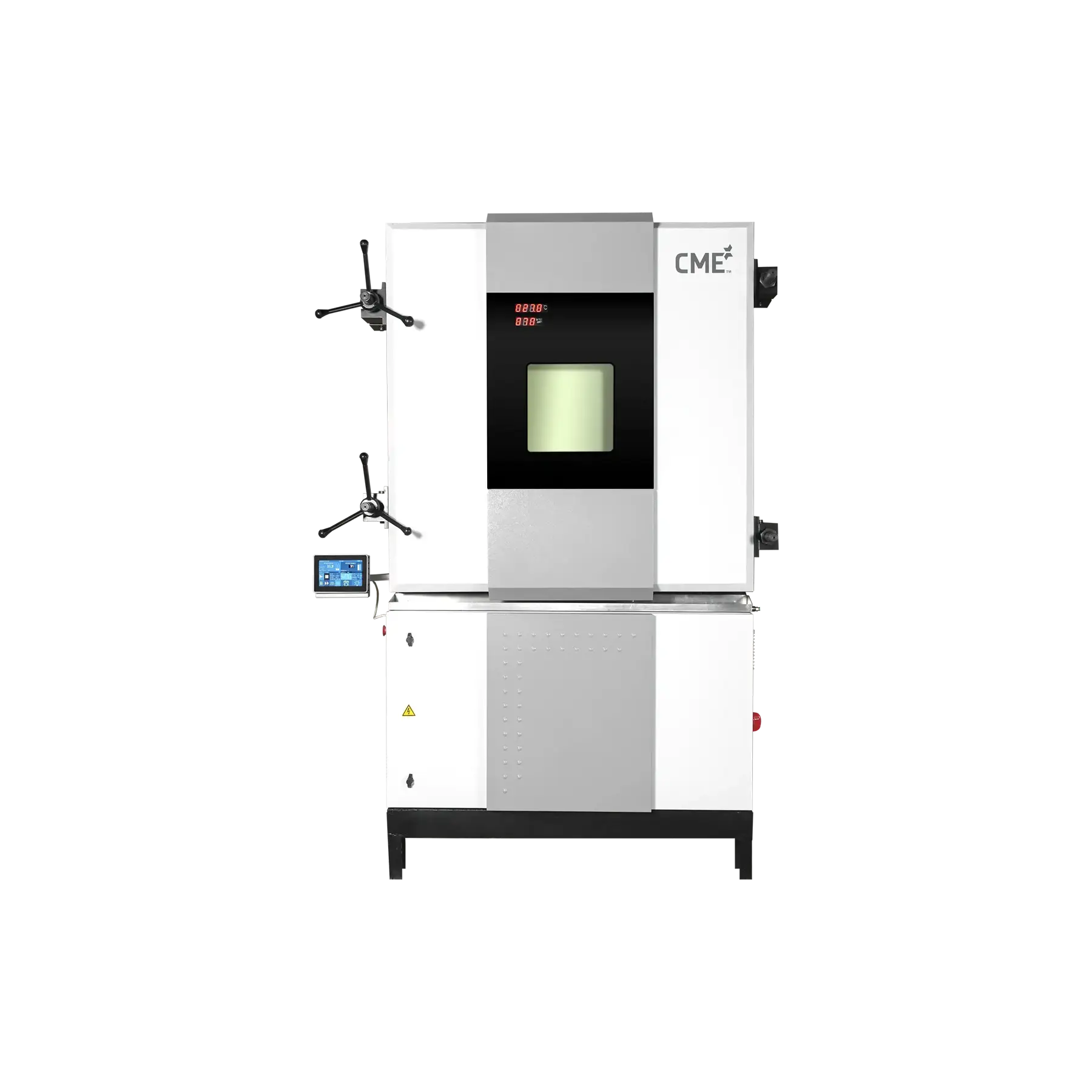
Battery Reach-In Test Chambers
Battery Reach-In Test Chambers CME’s Battery Test Chambers are engineered to support EUCAR hazard level evaluation (Levels 0–7) testing through reinforced
Frequently Asked Questions
Find all answers related to - Battery Test Chambers for EV & Energy Storage Testing
1. What is a battery test chamber?
A battery test chamber is a specialized environmental testing system used to evaluate battery performance, safety, and durability under controlled temperature, altitude, and hazard conditions.
2. What standards are used for battery testing?
Battery testing commonly follows standards such as IEC 62660, UN 38.3, ISO 16750, and EUCAR hazard level classifications.
3. What is thermal runaway testing?
Thermal runaway testing evaluates how a battery behaves under failure conditions, including heat generation, fire risk, and propagation to adjacent cells or modules.
4. What is EUCAR hazard level testing?
EUCAR hazard levels classify battery safety from level 0 (no effect) to level 7 (explosion), helping manufacturers assess risk and safety performance.
5. What is UN 38.3 testing?
UN 38.3 is a mandatory transport safety standard for lithium batteries, ensuring they can be safely shipped under various environmental conditions.
6. What is an altitude test for batteries?
Altitude testing simulates low-pressure conditions experienced during air transport or high-altitude operation to evaluate battery safety and performance.
7. What is the difference between reach-in and walk-in battery test chambers?
Reach-in chambers are used for small-scale testing of cells and modules, while walk-in chambers are designed for large battery packs and system-level testing.
8. Who uses battery test chambers?
Battery test chambers are used by EV manufacturers, battery developers, automotive OEMs, research labs, and certification bodies.
9. Can battery test chambers be customized?
Yes, CME offers customized solutions based on battery size, safety requirements, hazard level testing, and specific industry standards.
SALES
For best results, buyers should consult with CME’s technical team to identify the correct chamber type and configuration.